Samantha Mercadante Eckert | Wandering in Hope | Nuquist Gallery, TW Wood Museum, Montpelier, VT | March 30-May 23, 2026. Opening Reception on Friday, April 3, 5-7:30 PM
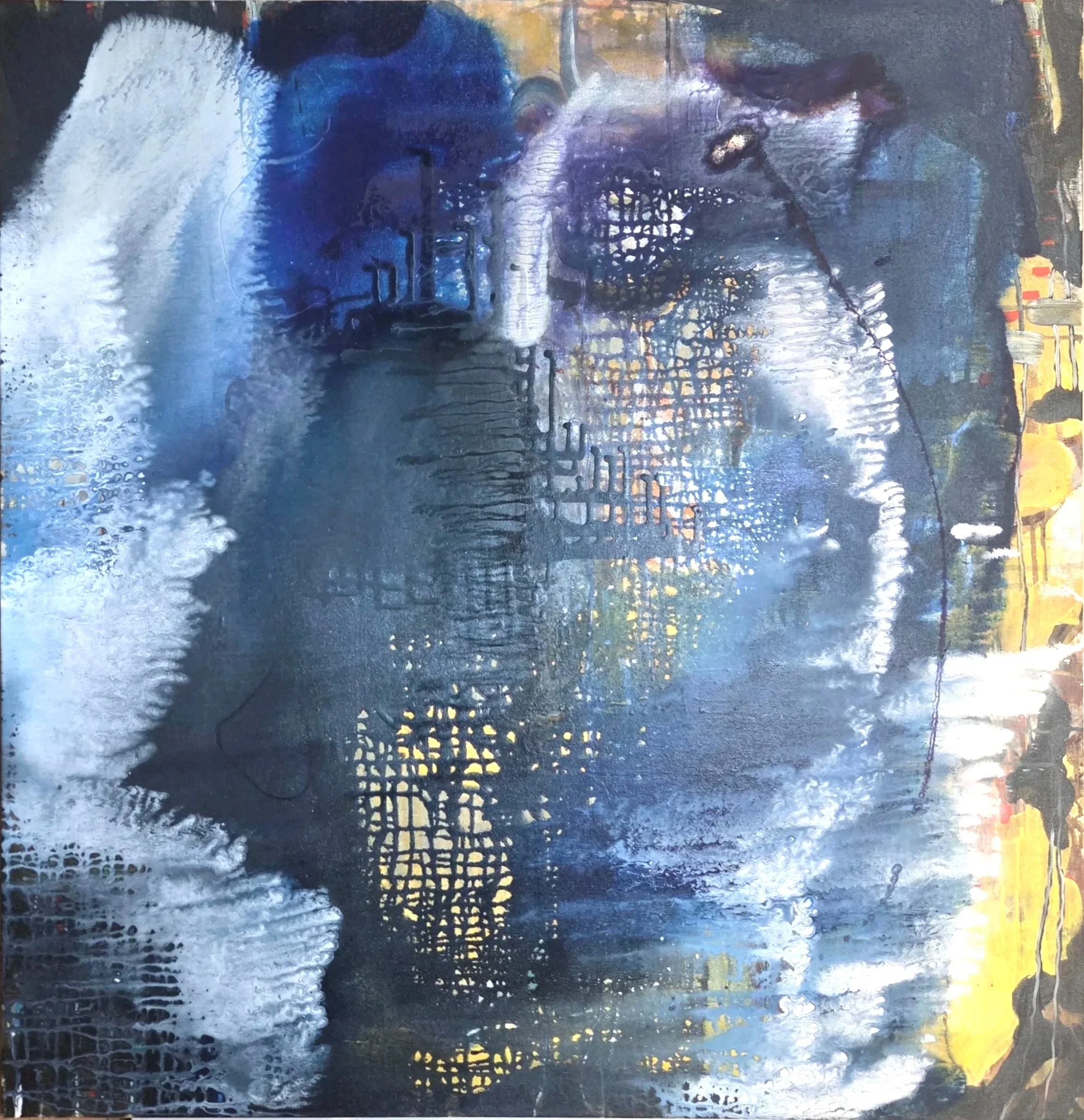
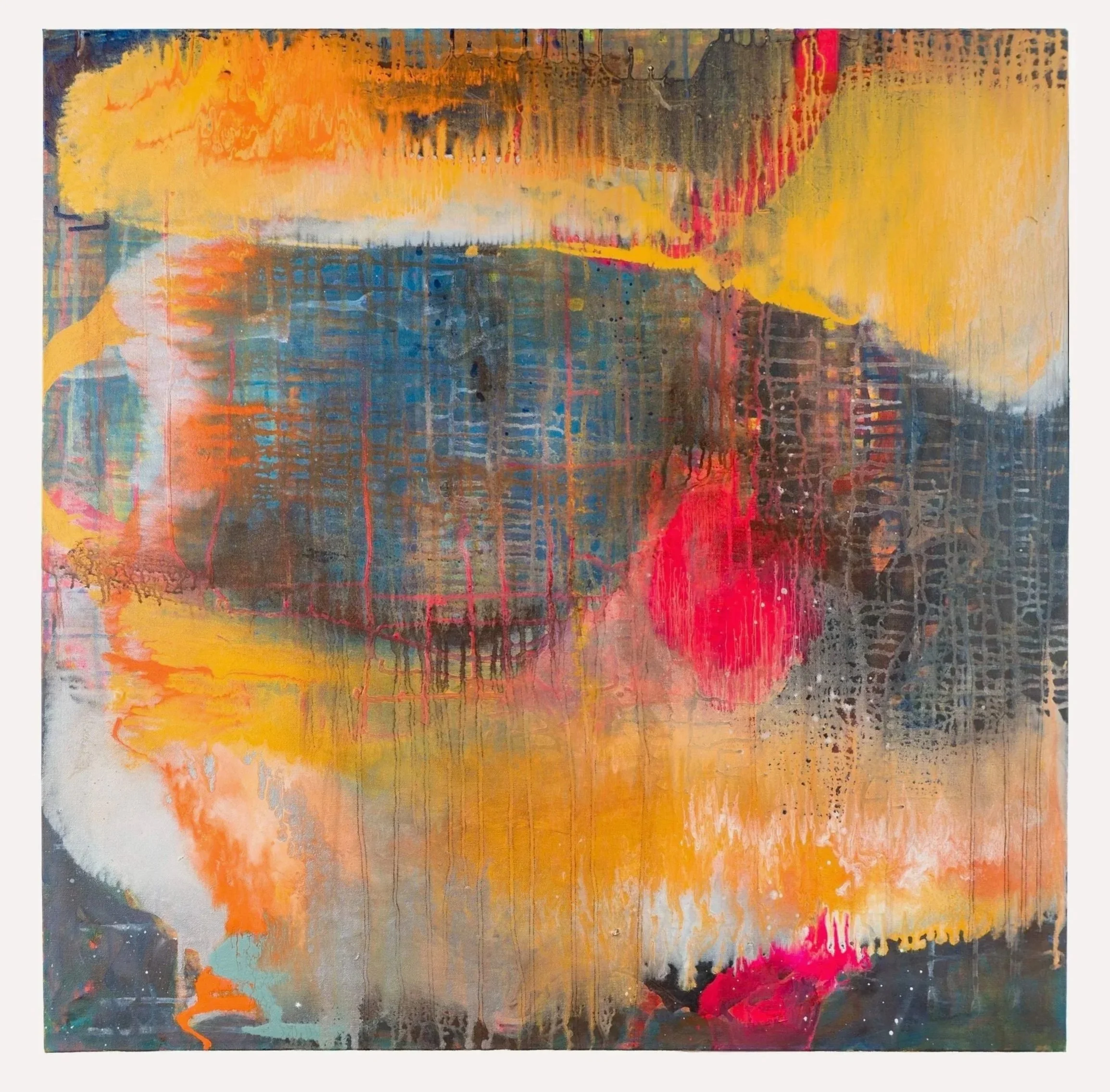
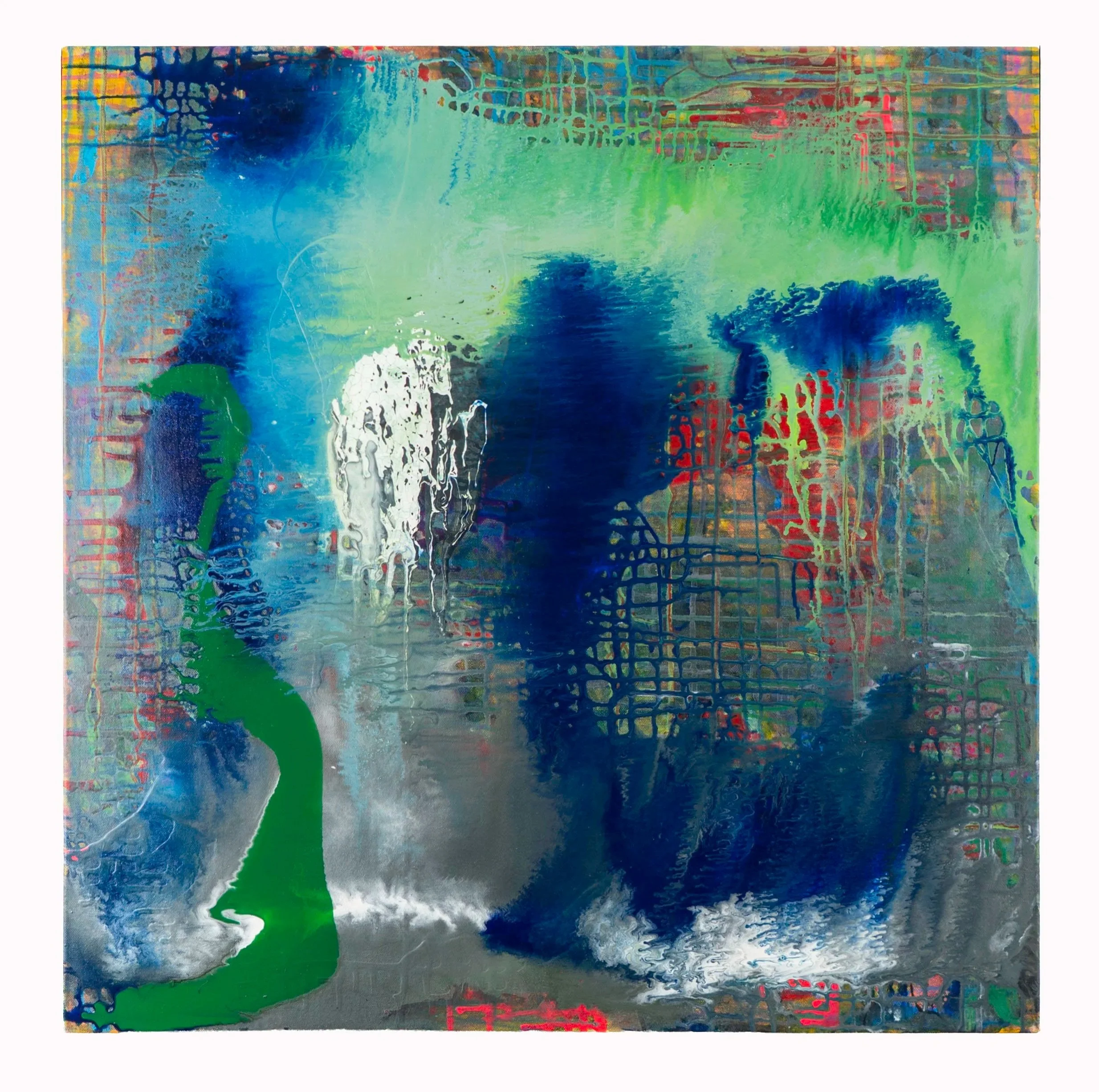
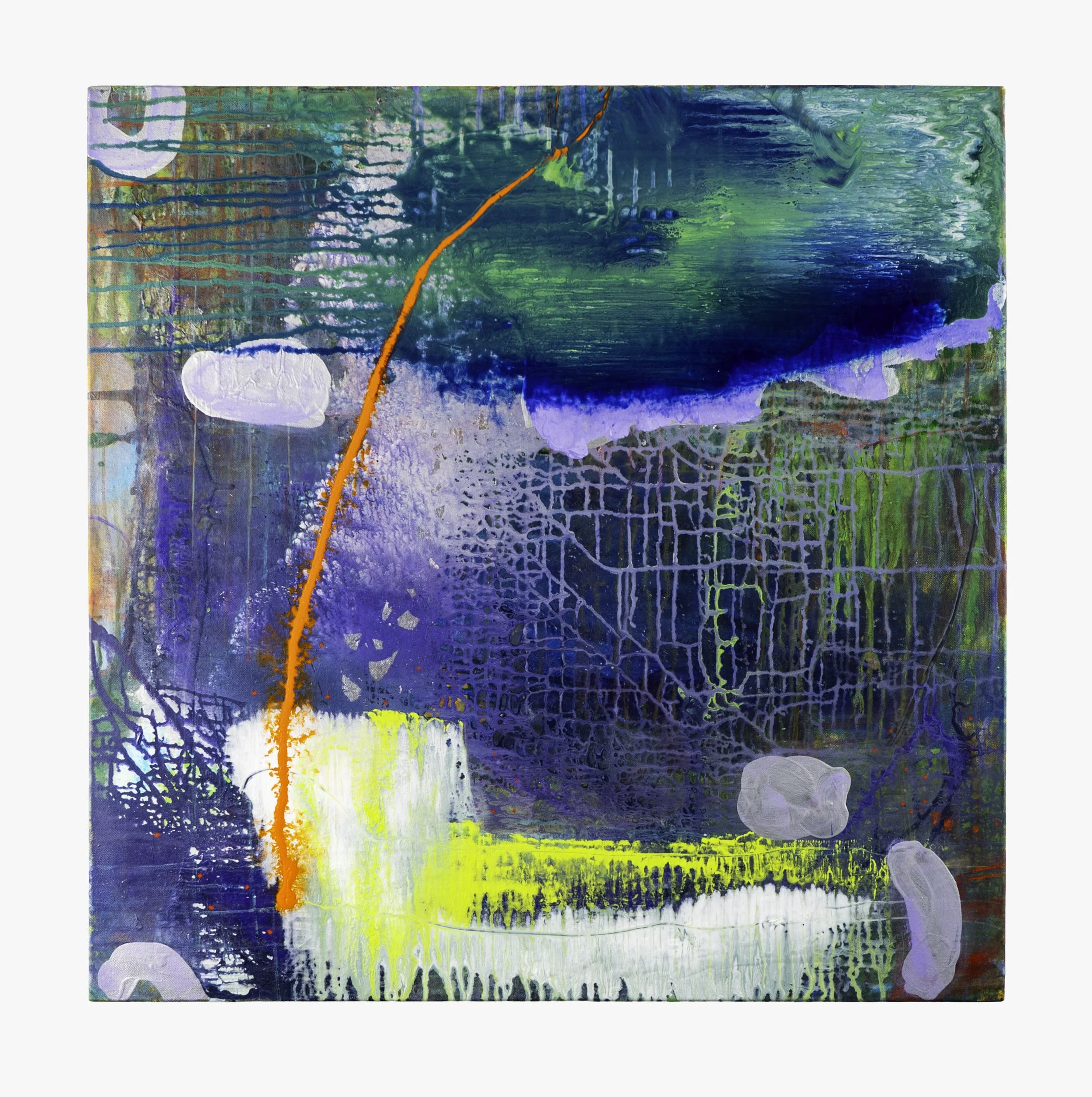
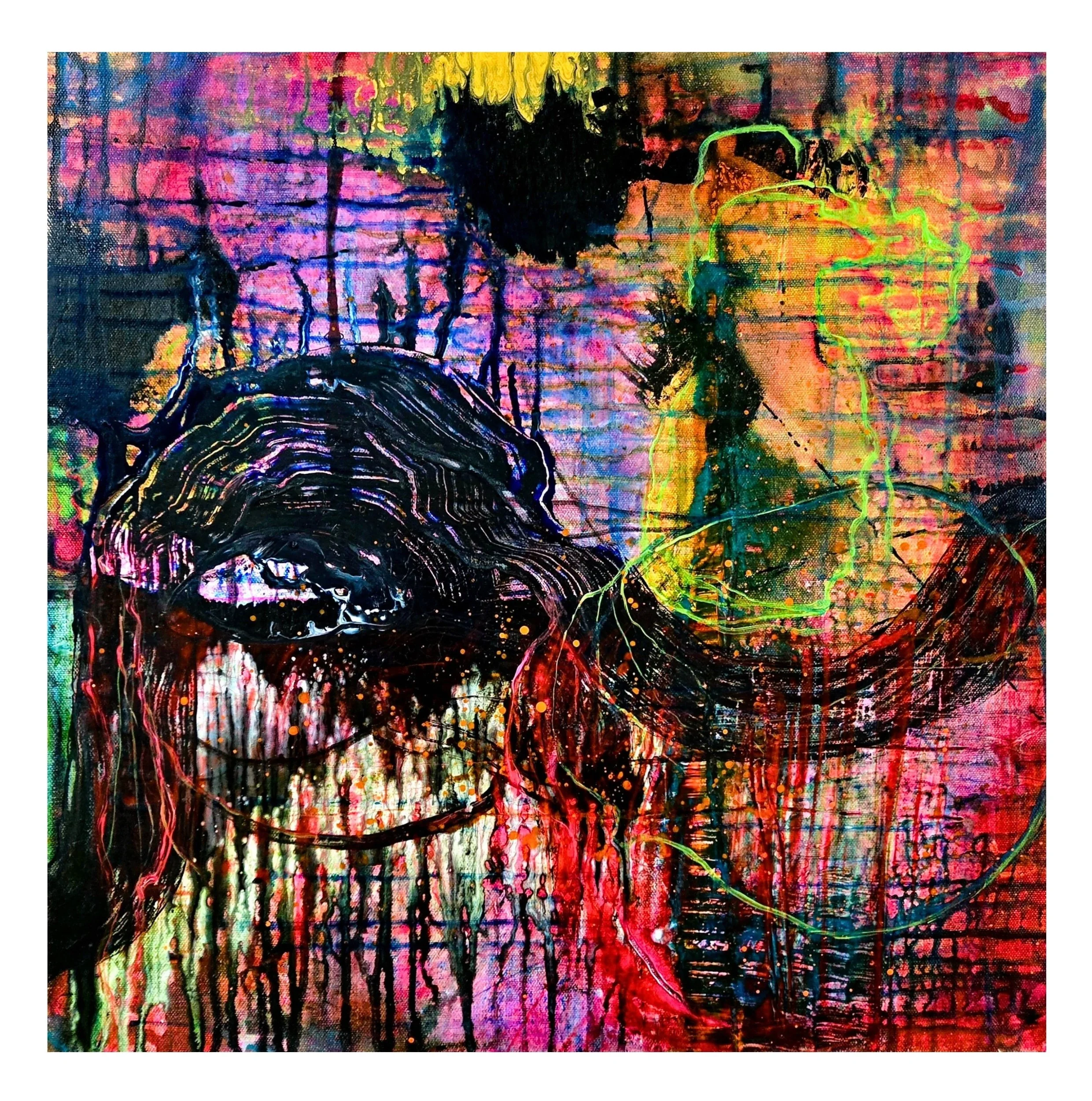
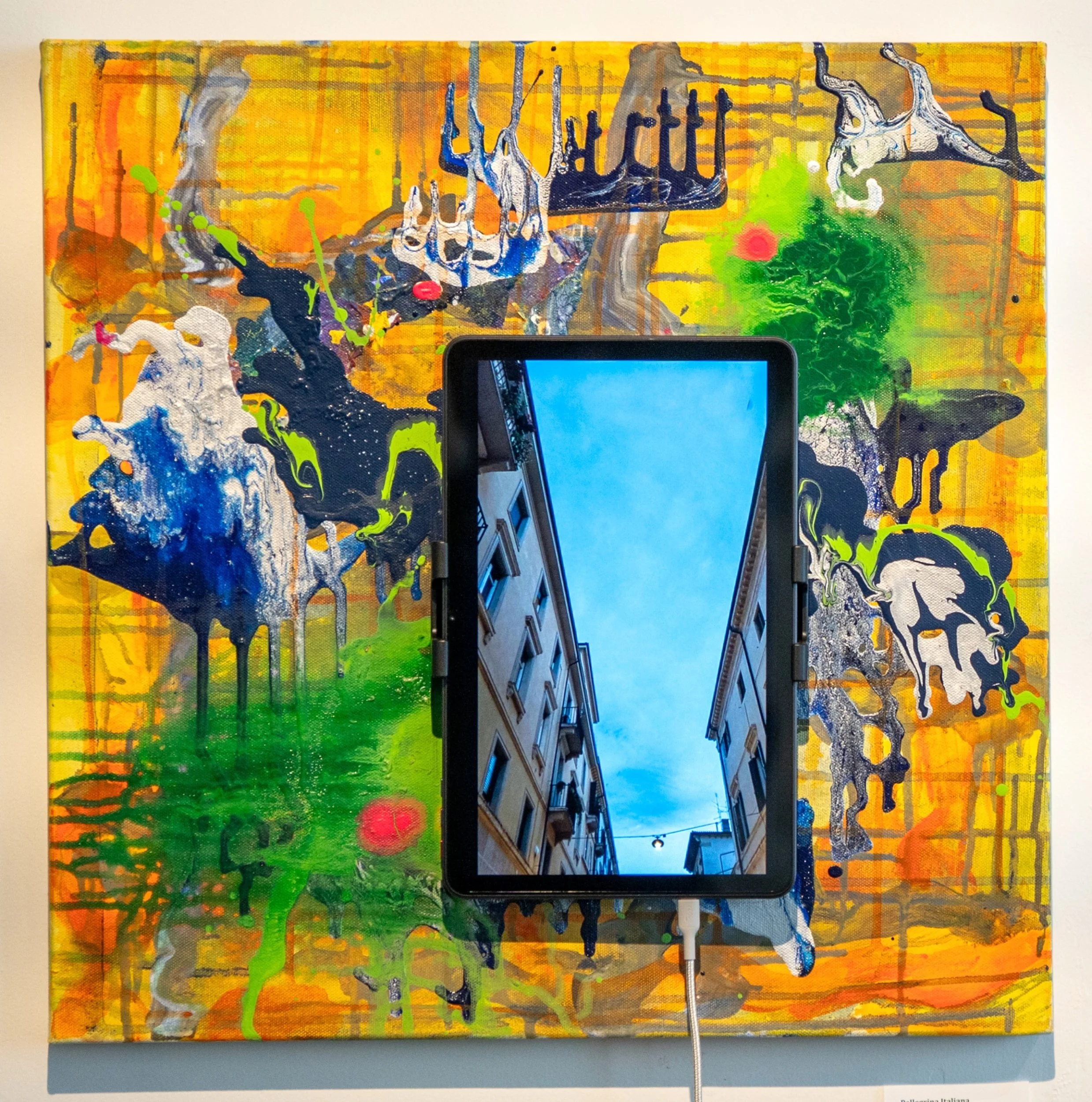
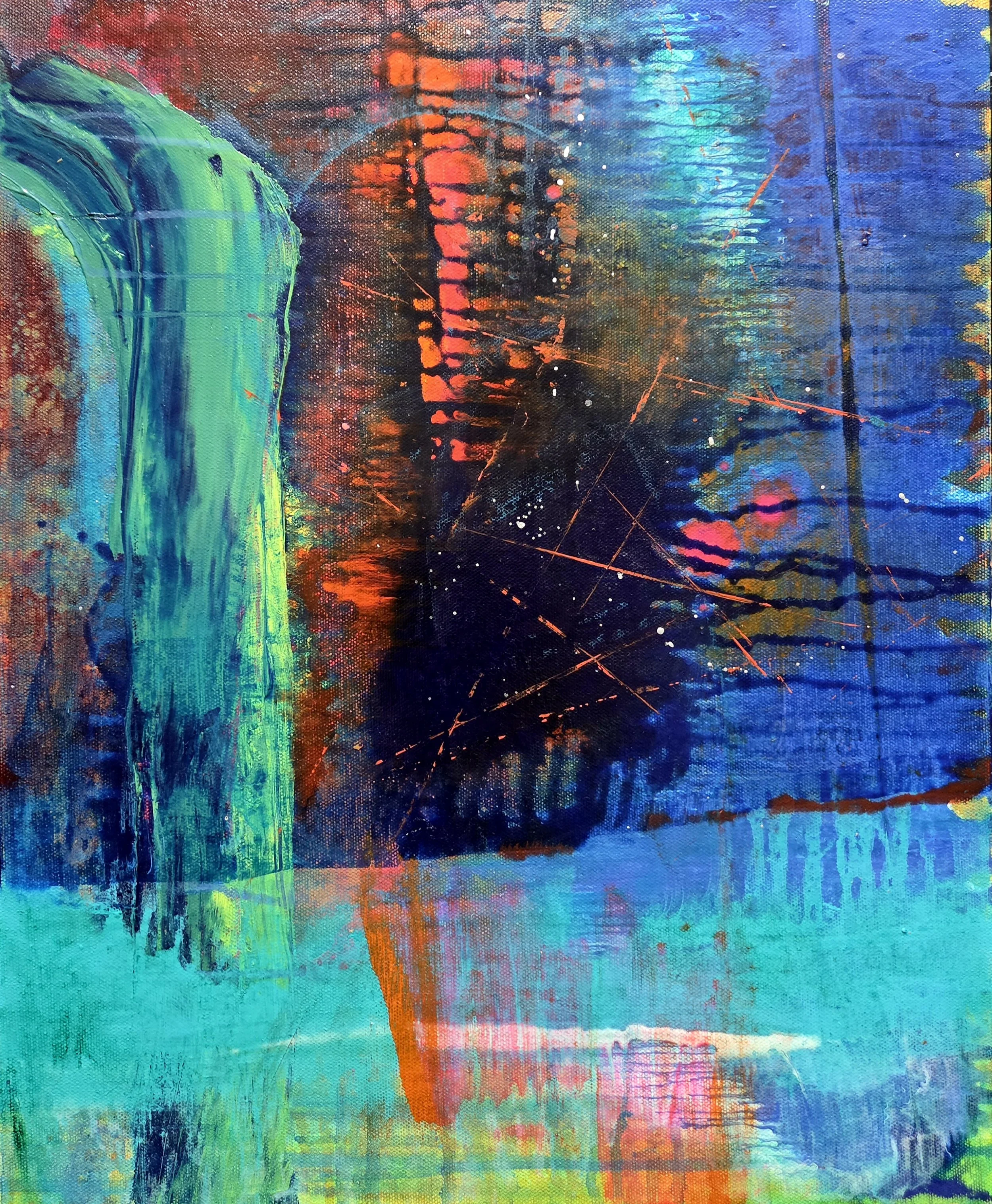
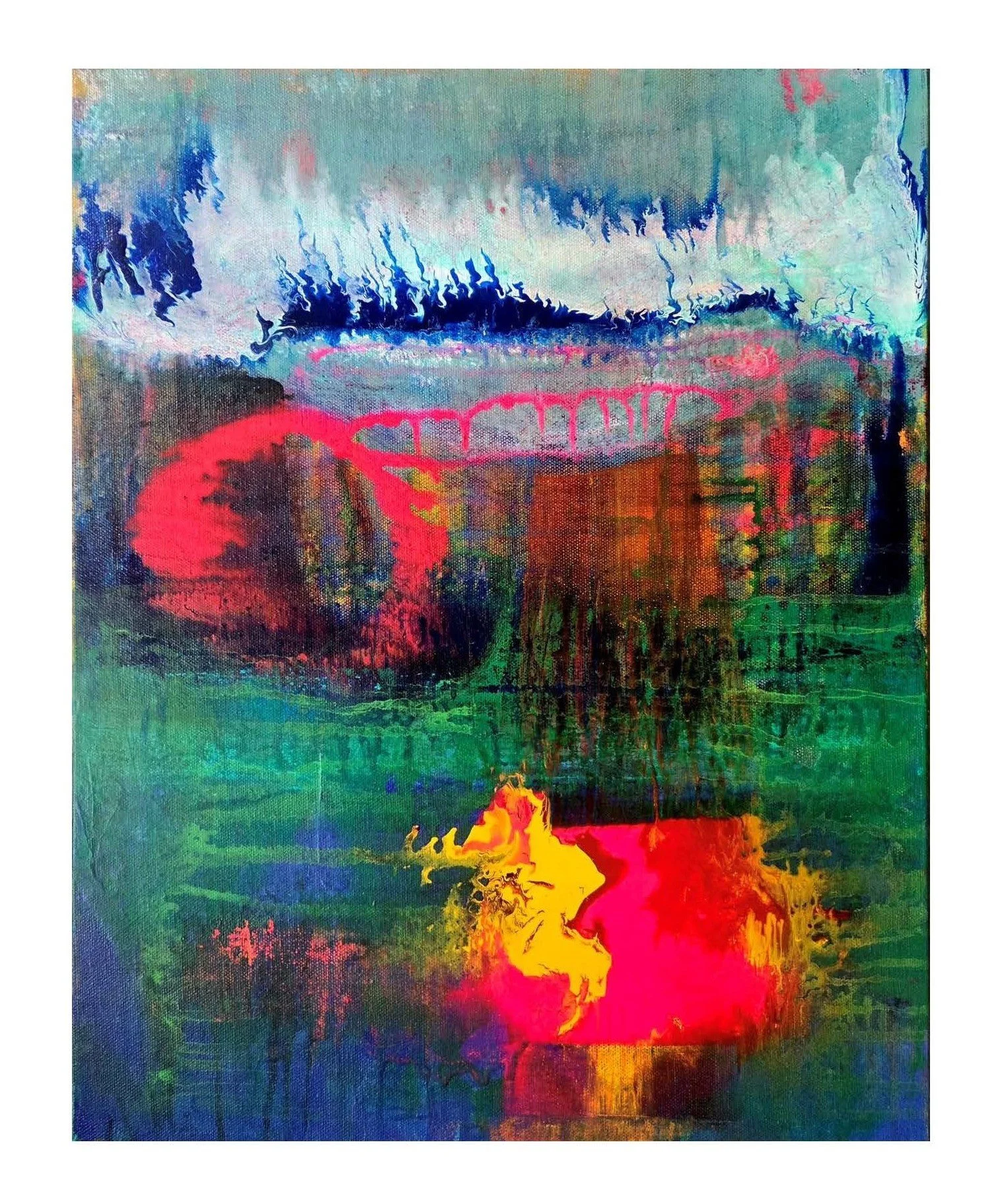
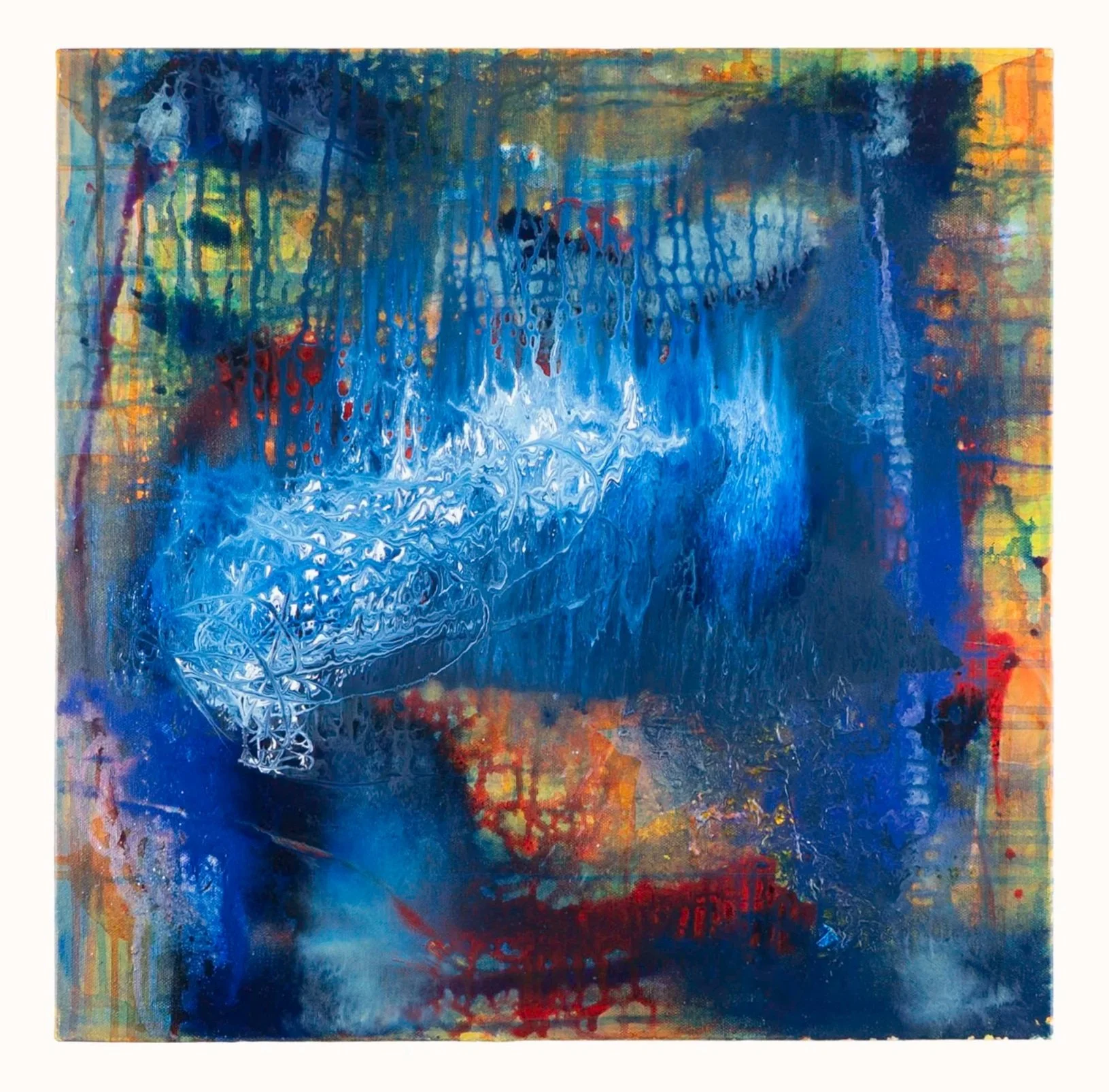
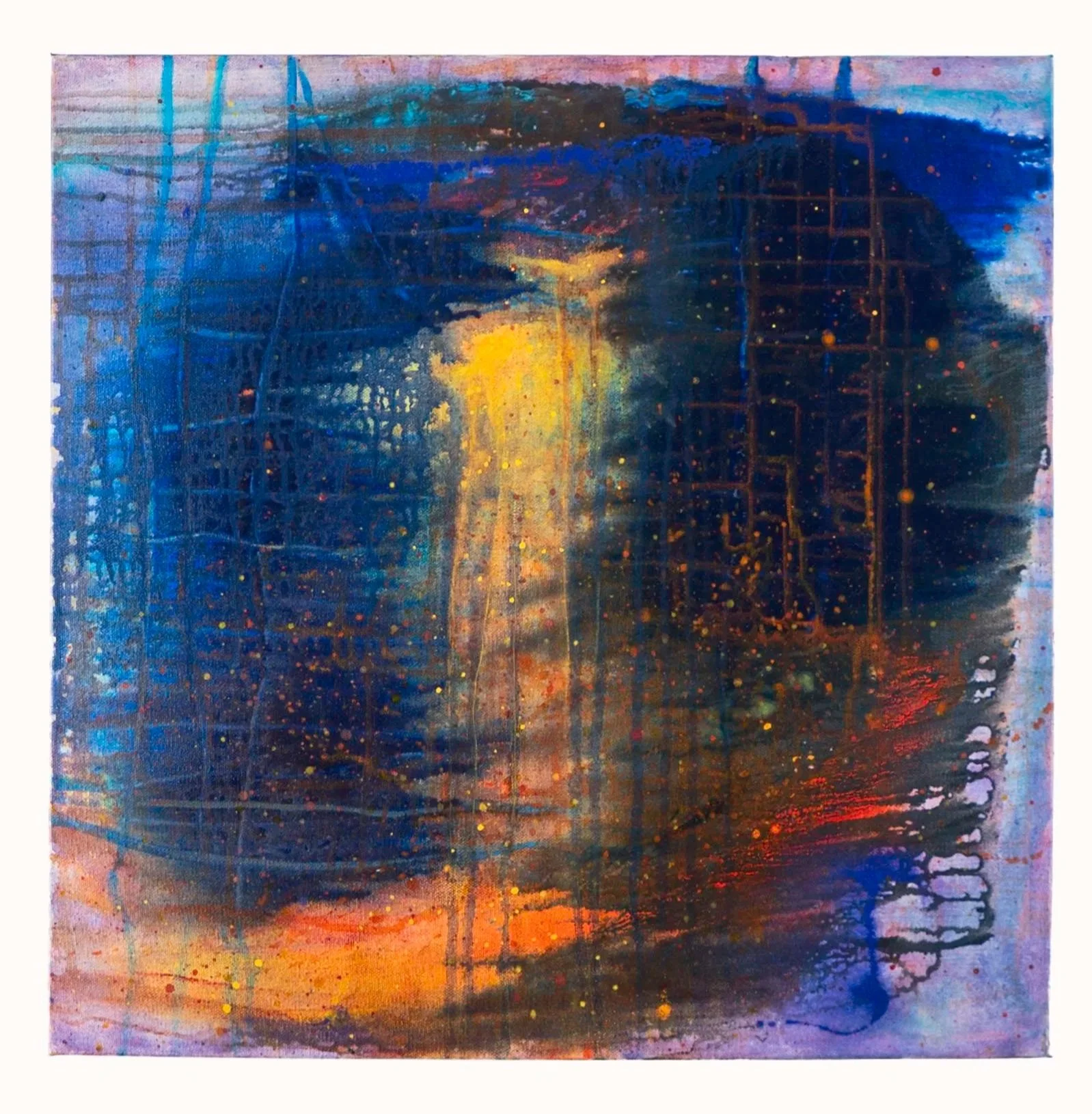
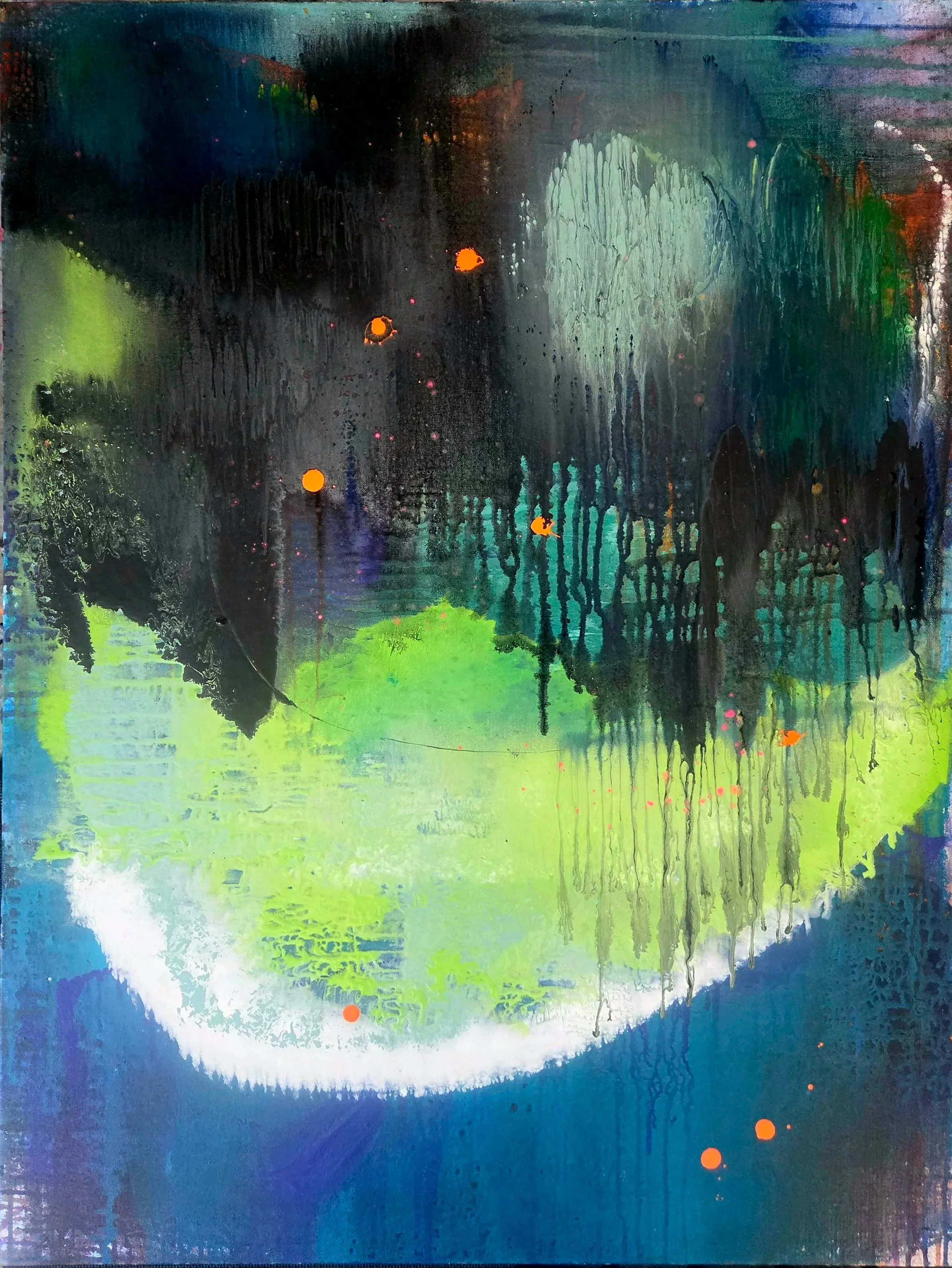
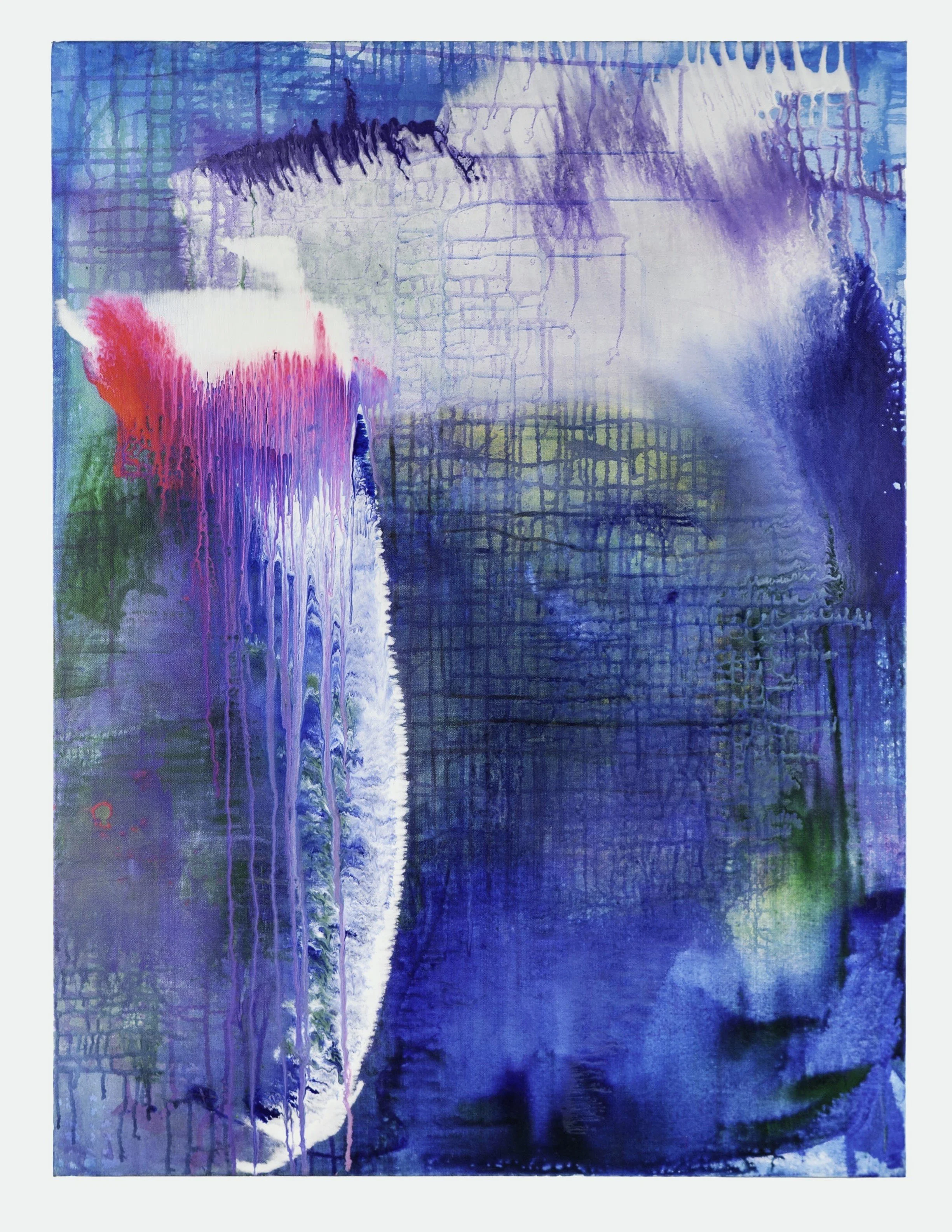
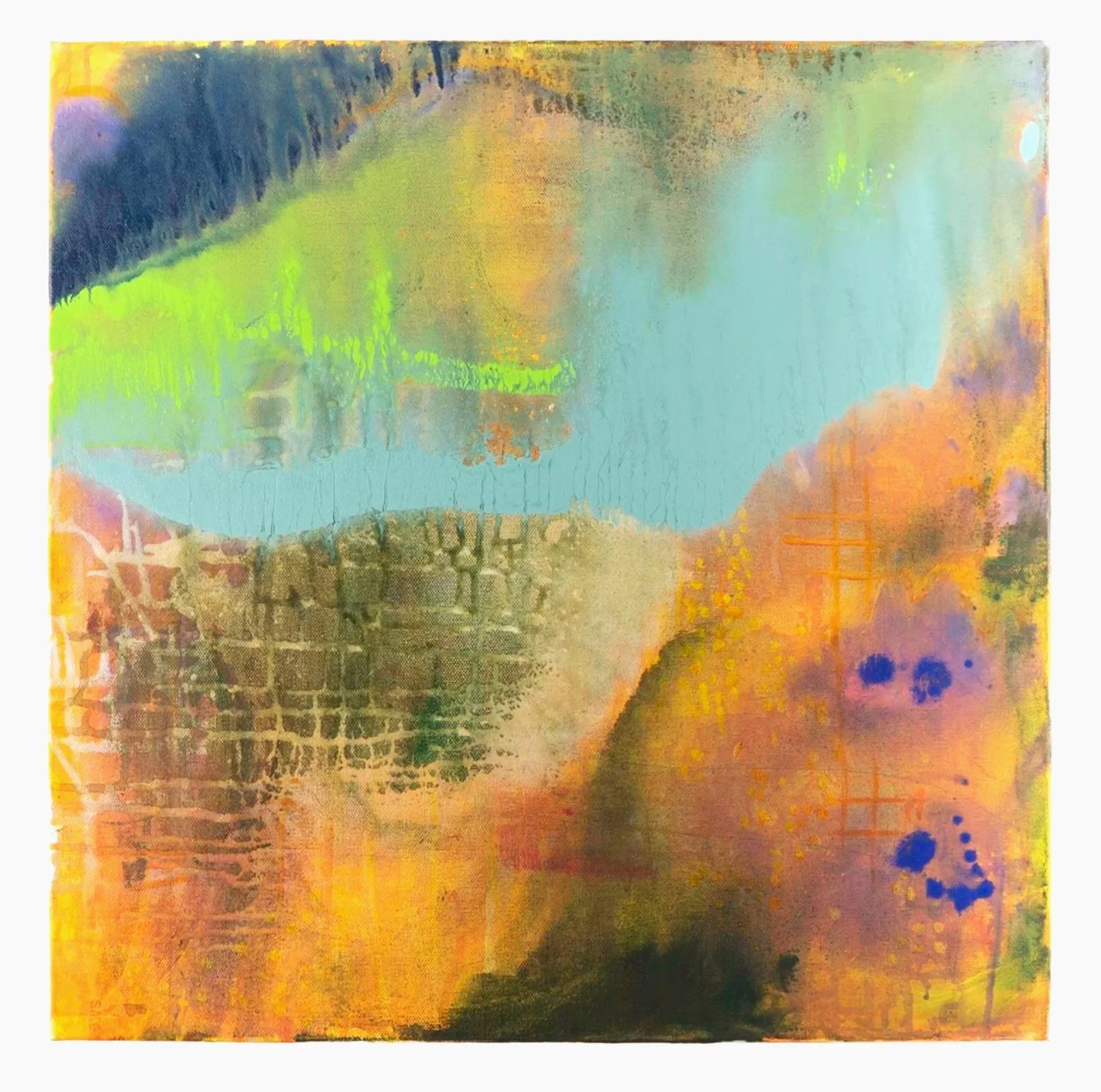
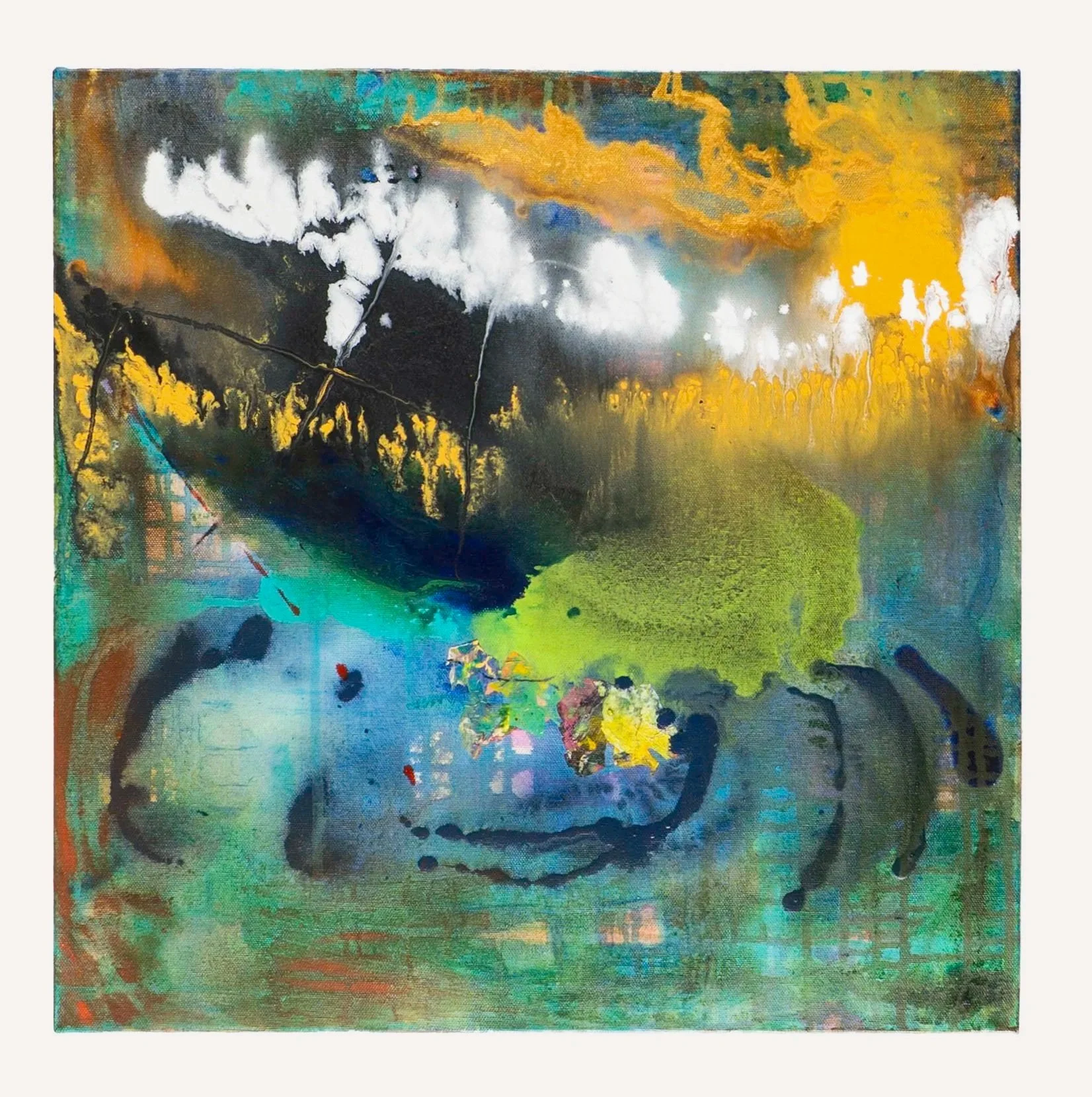
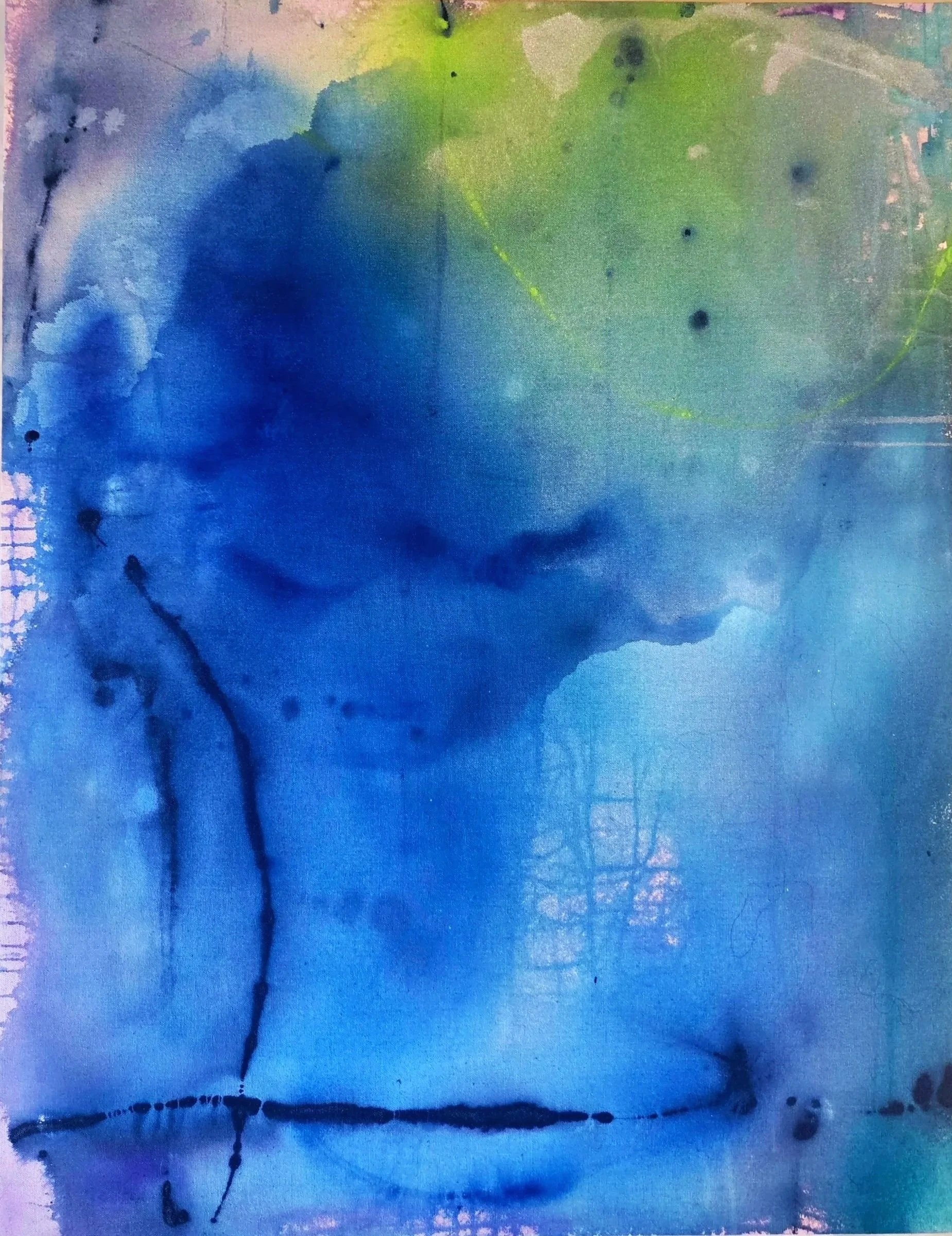
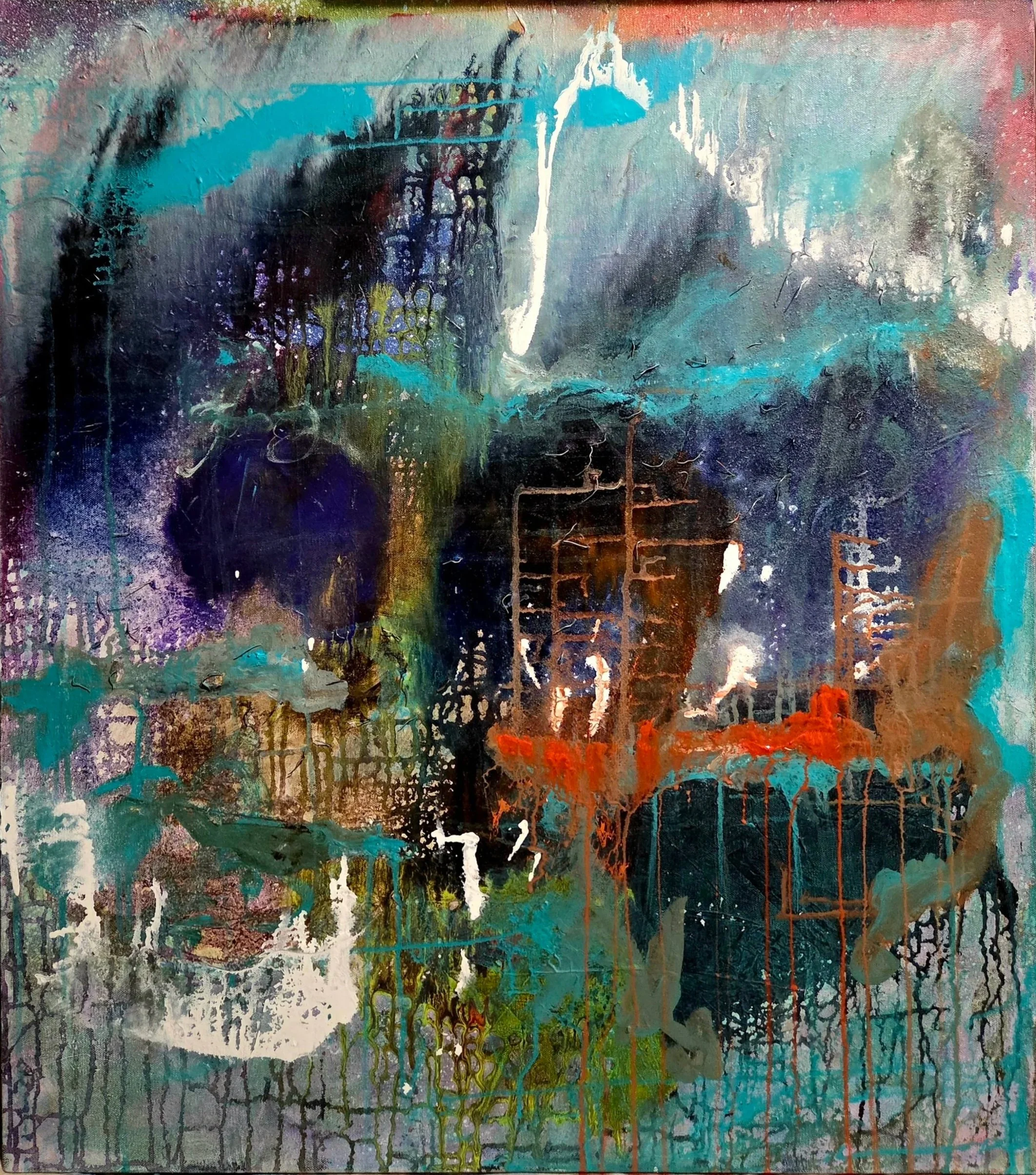
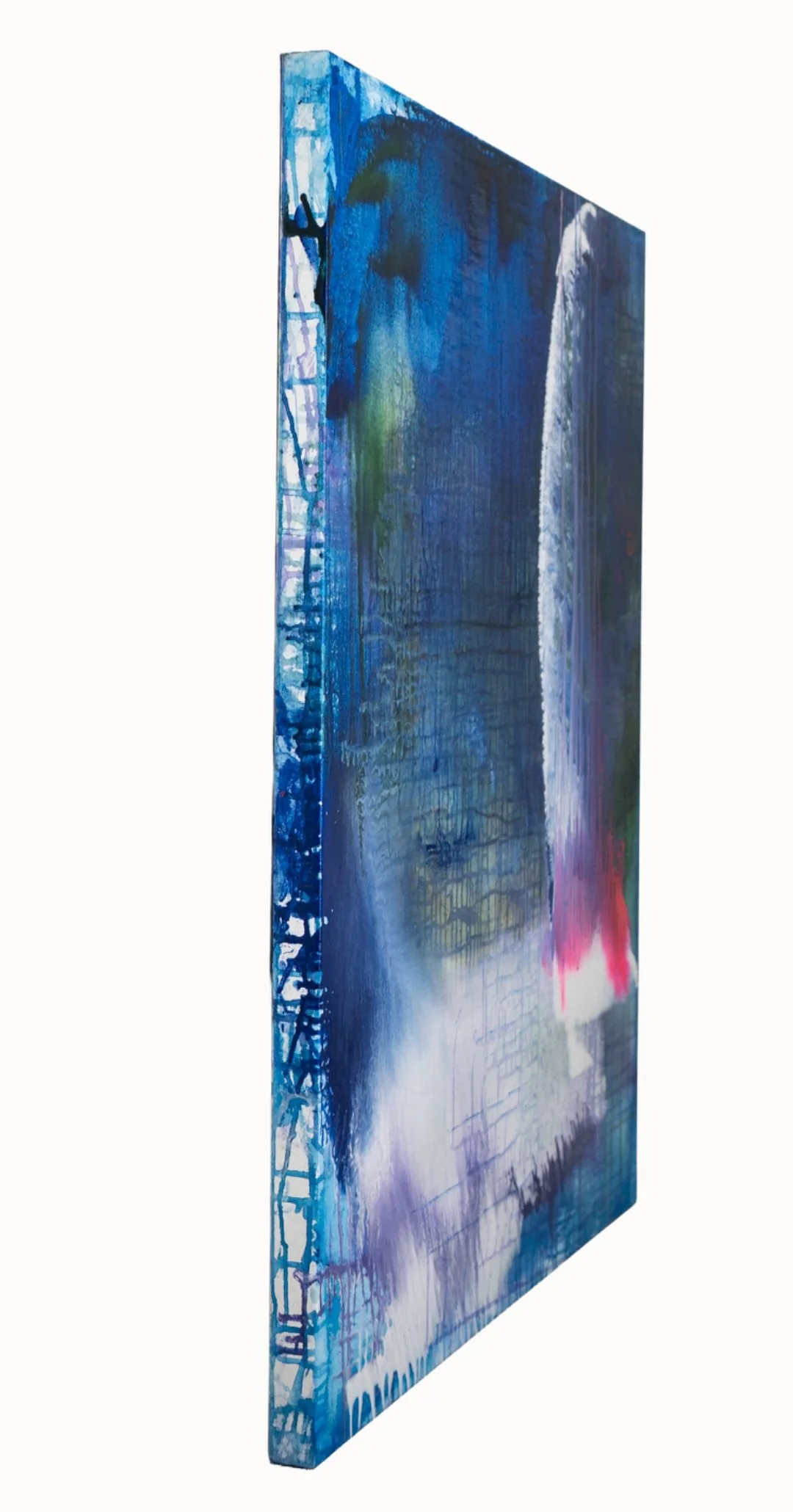
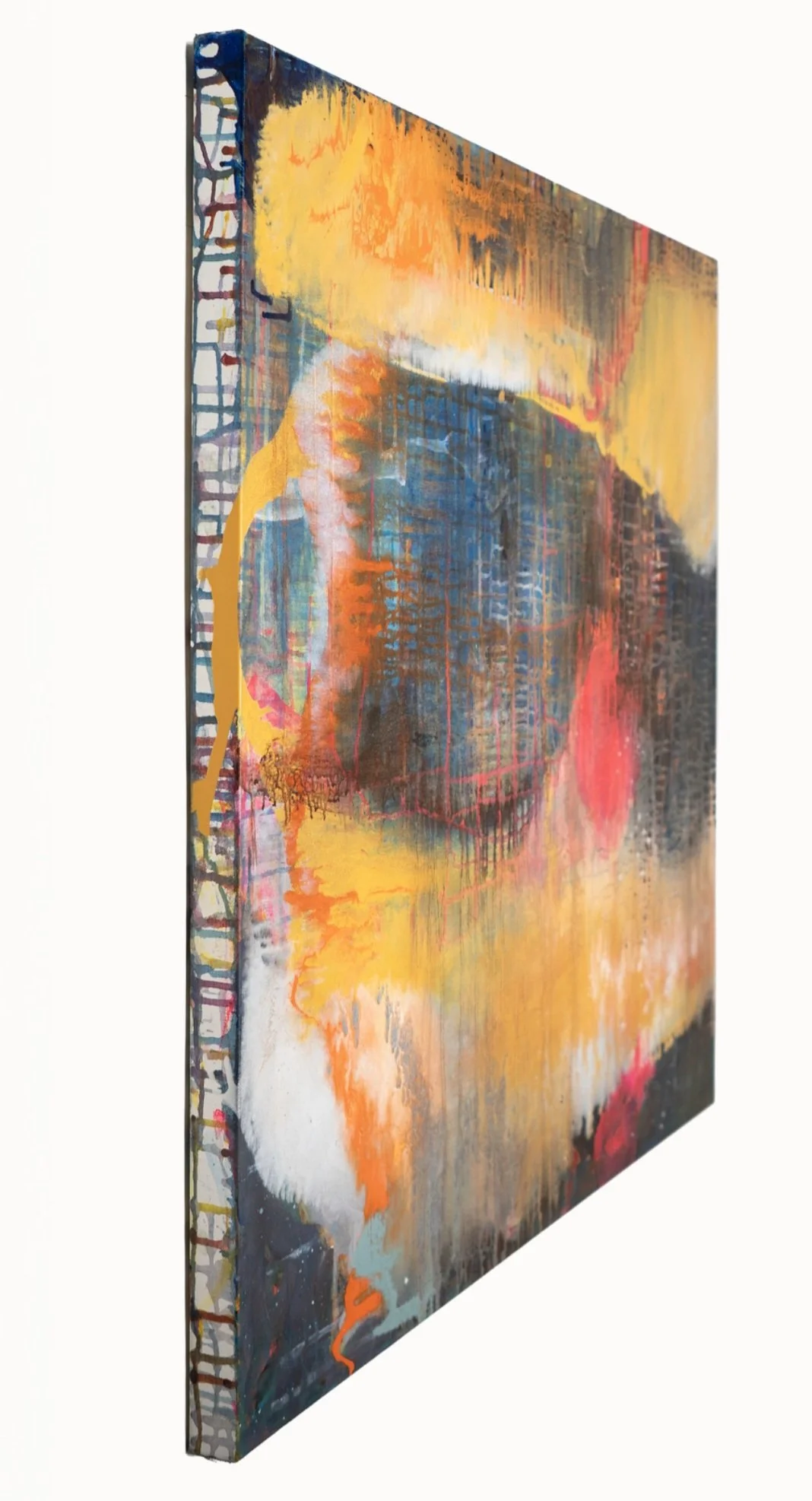
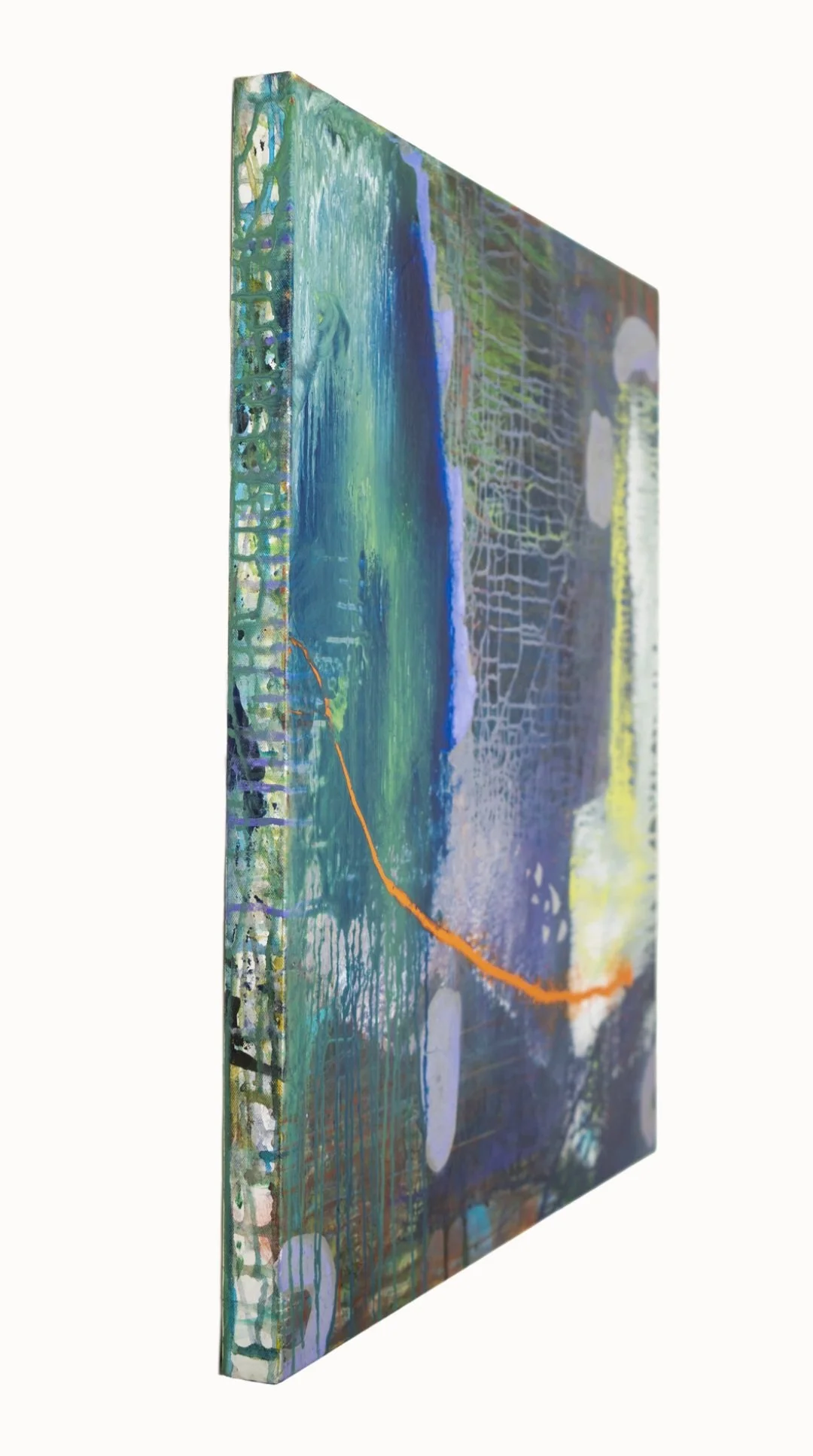
Summary: Featuring abstract paintings, organic clay forms, and sculpture, Wandering in Hope moves through beauty, memory, and longing. The work responds to technological change and the unease that has settled since the pandemic. The paintings conjure interior or otherworldly landscapes. While the sculptural forms that feel grown rather than made. Across all three bodies of work, material process is central — whether paint, clay, or wood and bead, each medium is treated as a collaborator with its own logic. The exhibition invites viewers to move through layers the way one moves through memory or unfamiliar terrain, without a fixed point of arrival.
Exhibition Statement:
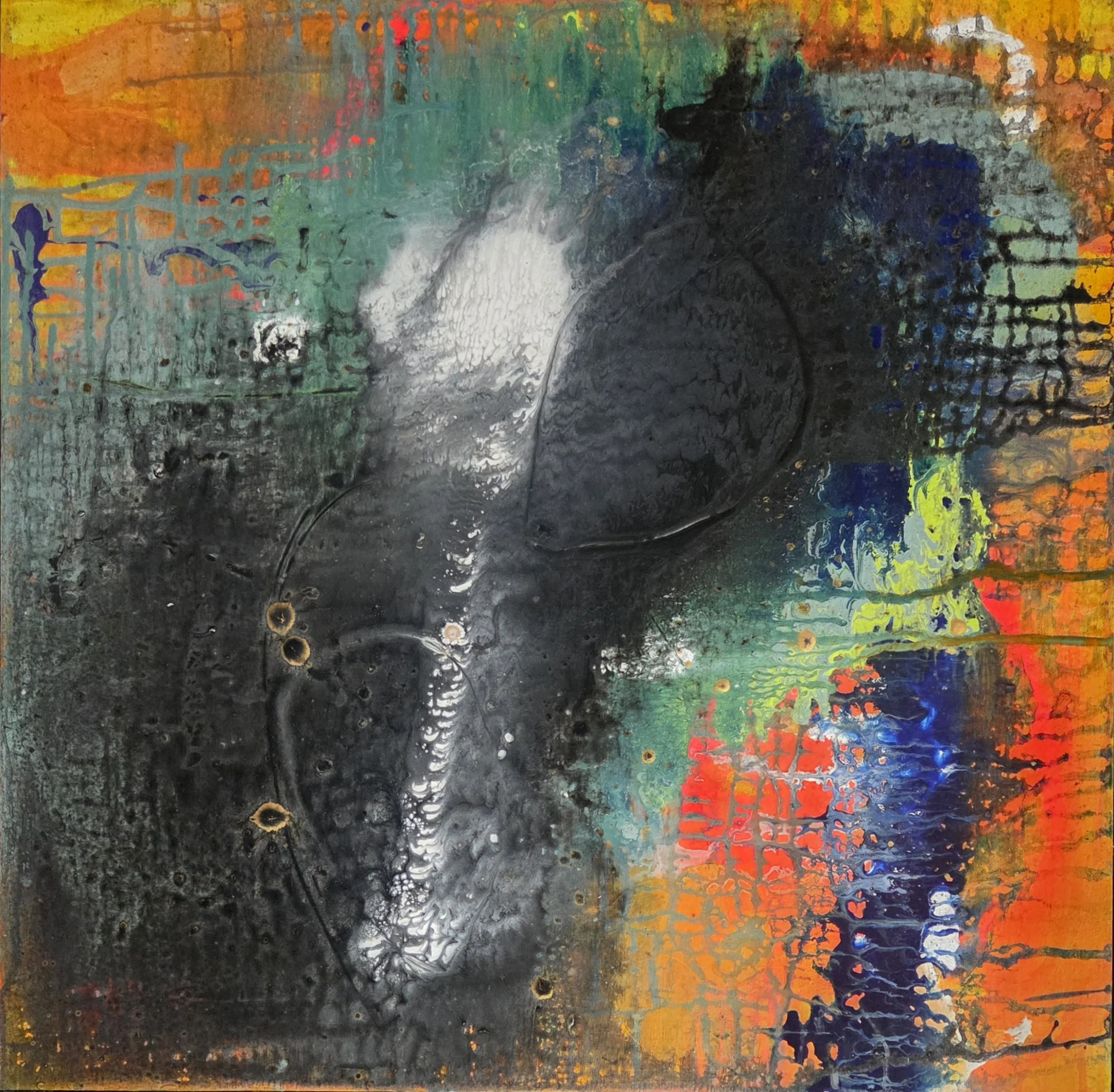
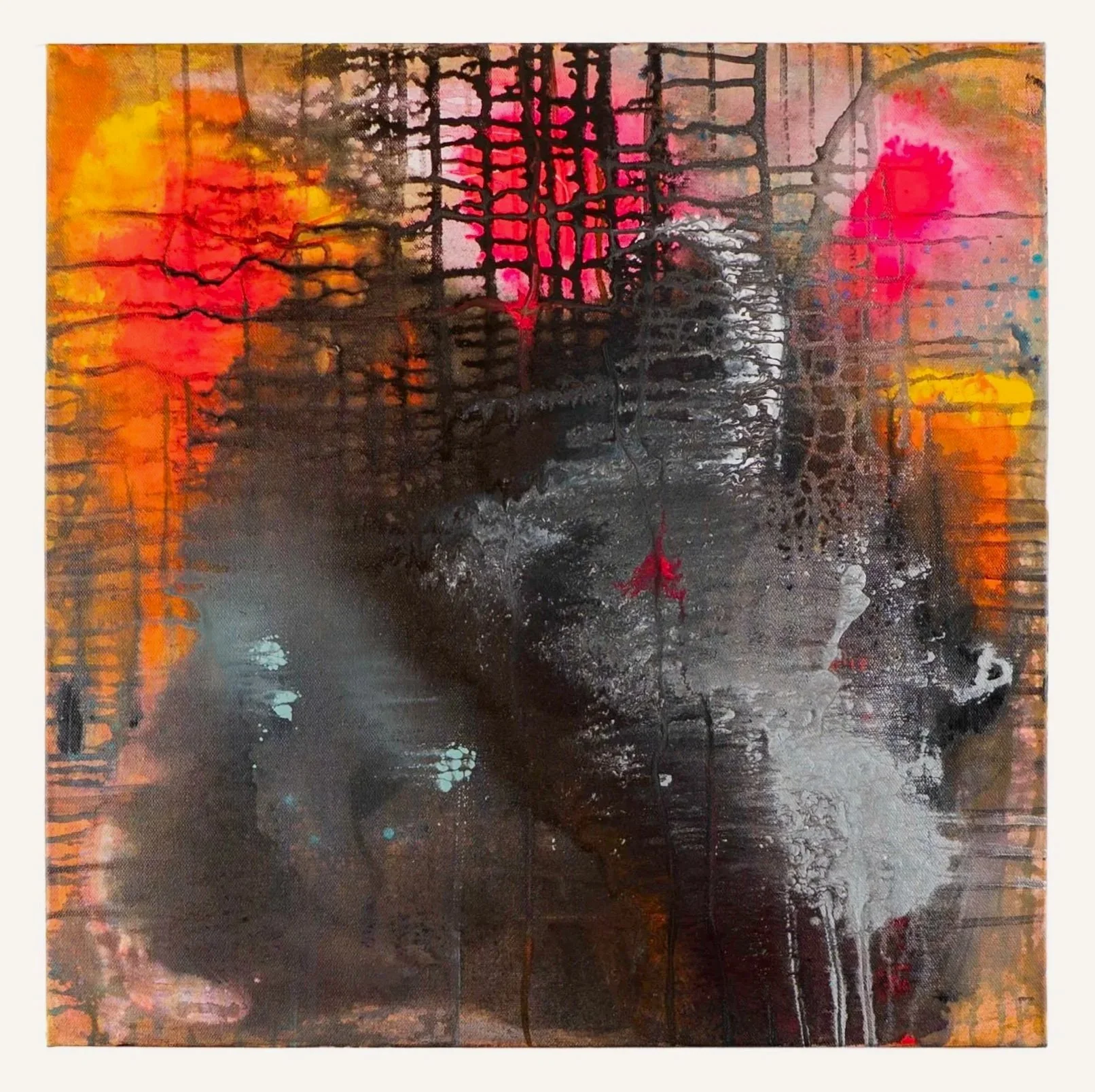
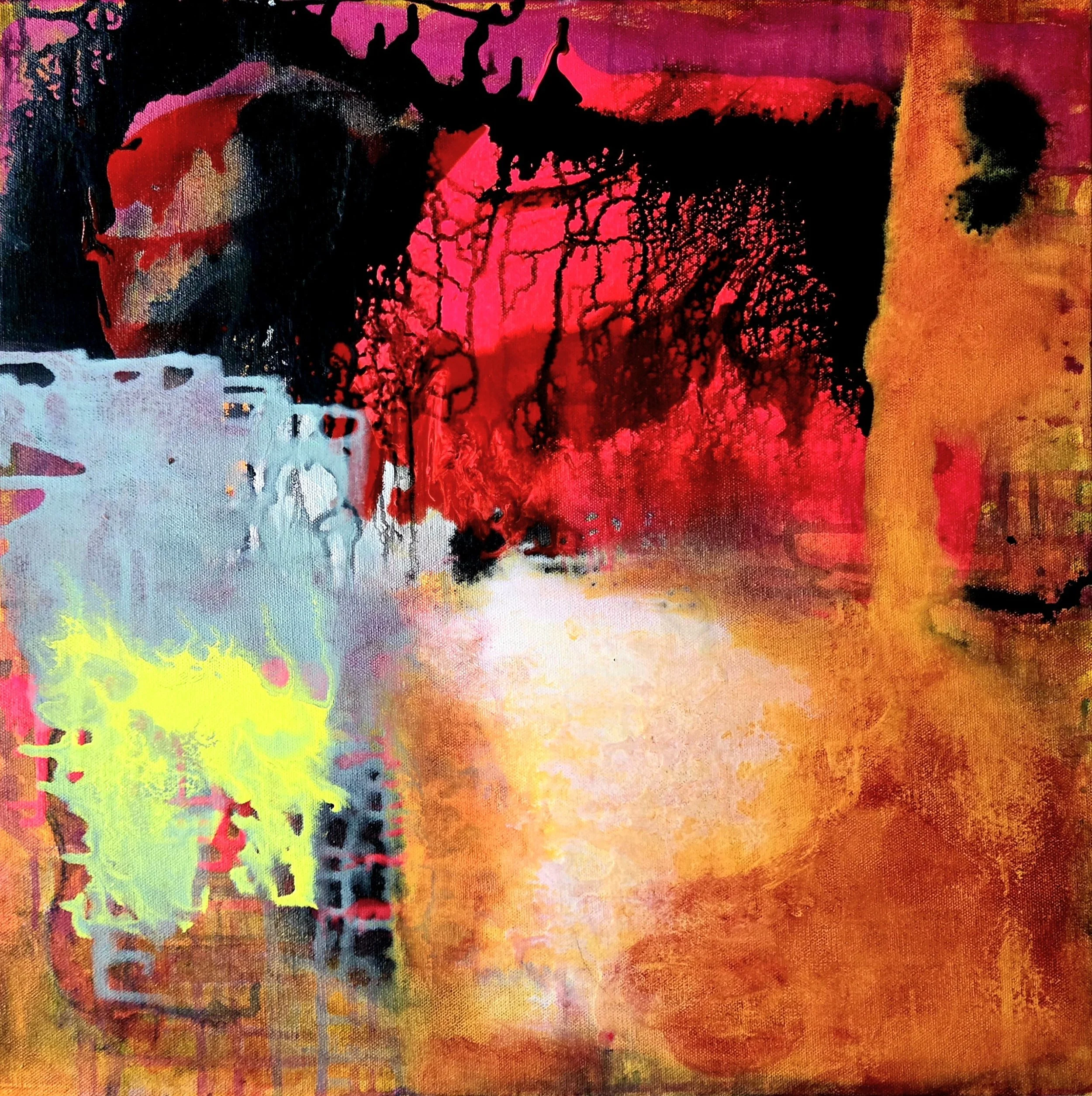
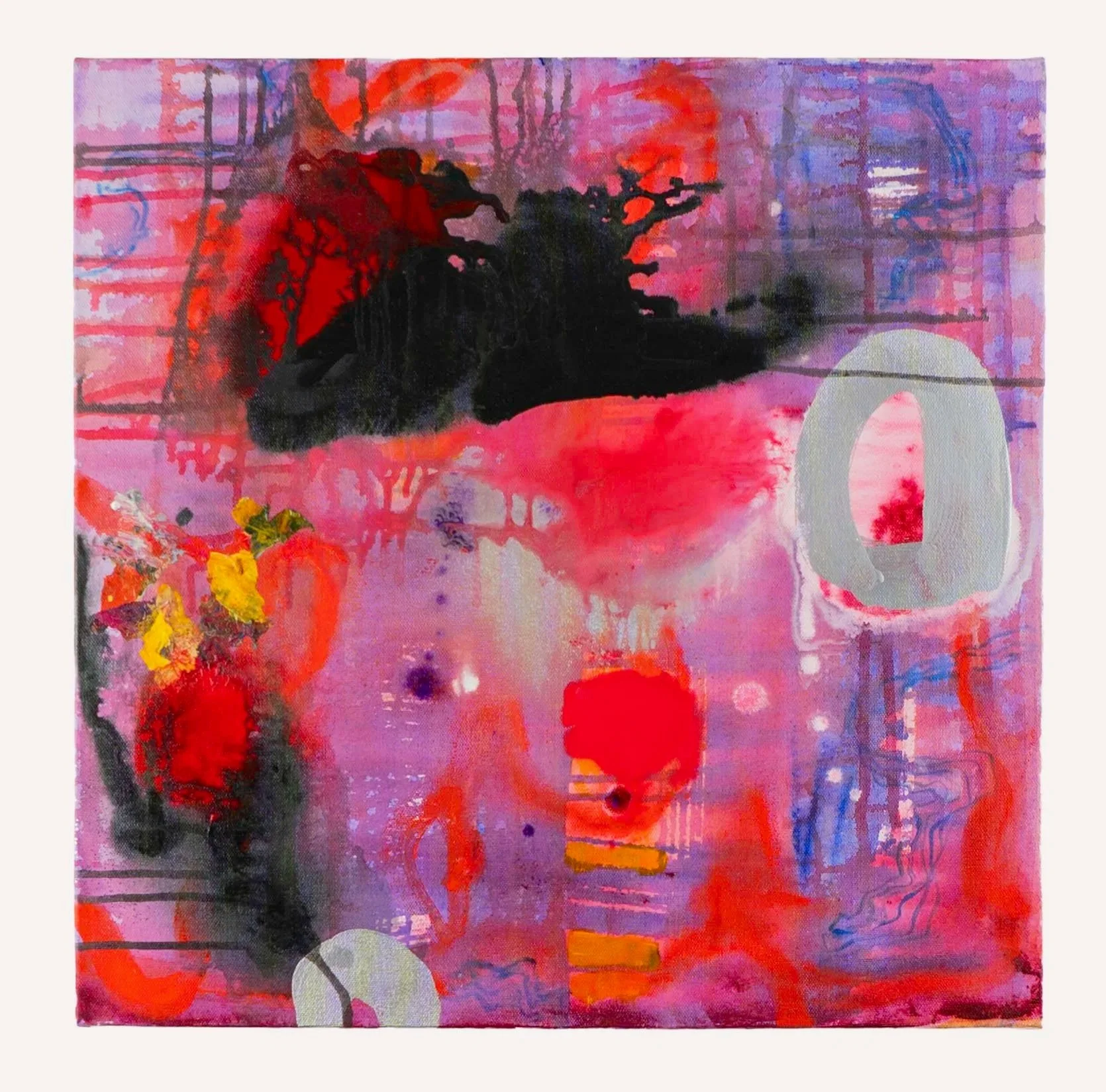
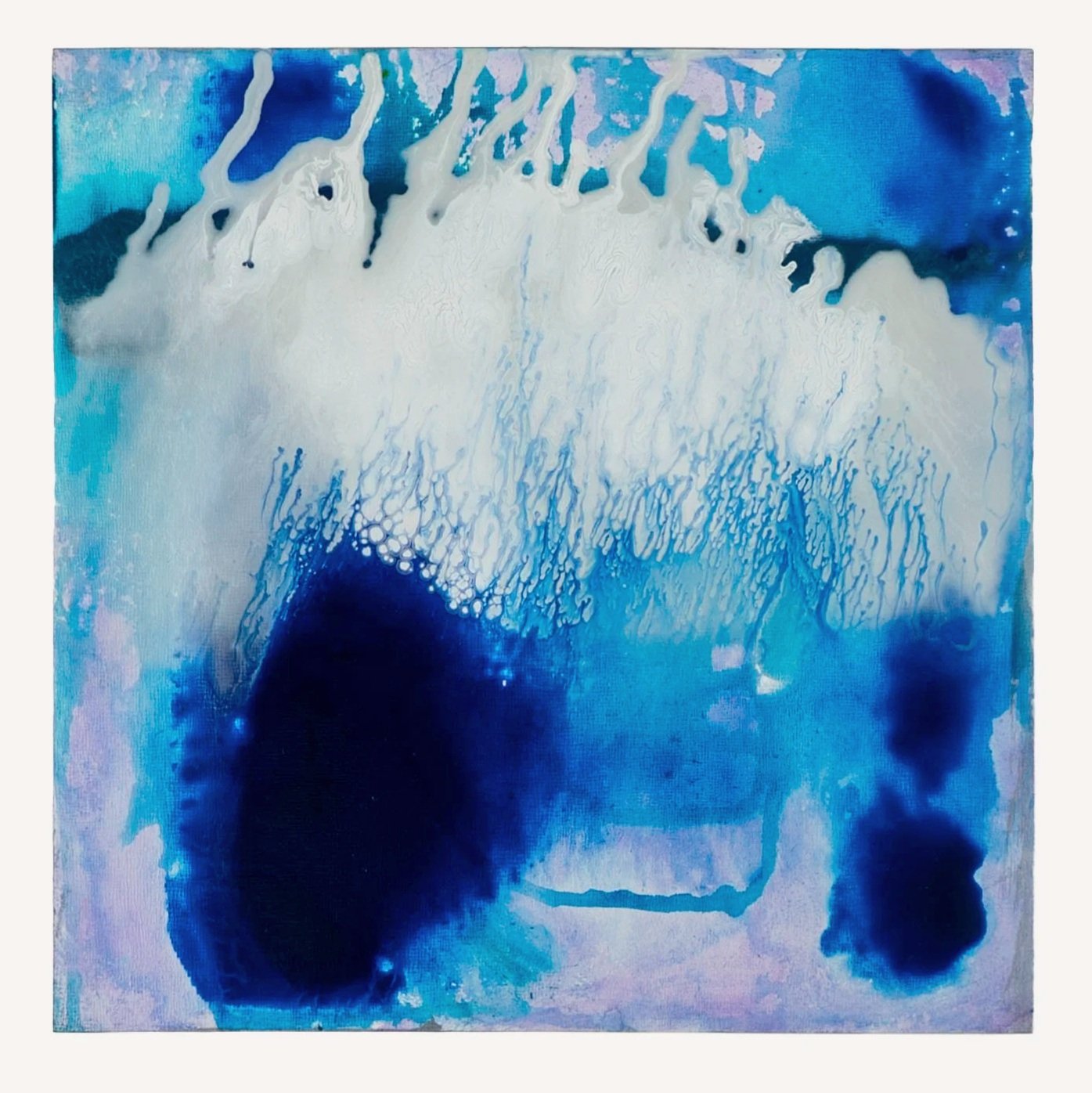
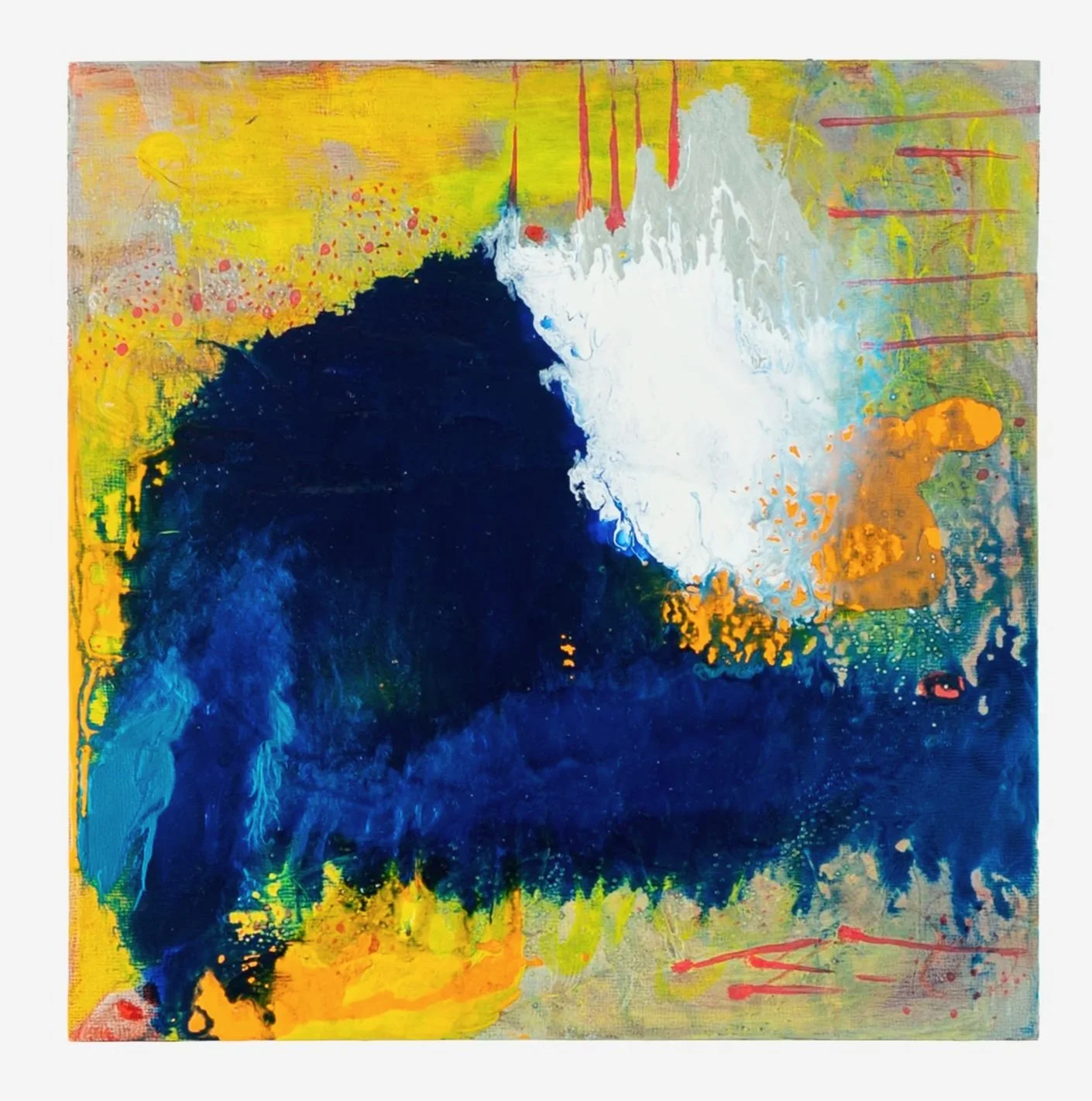
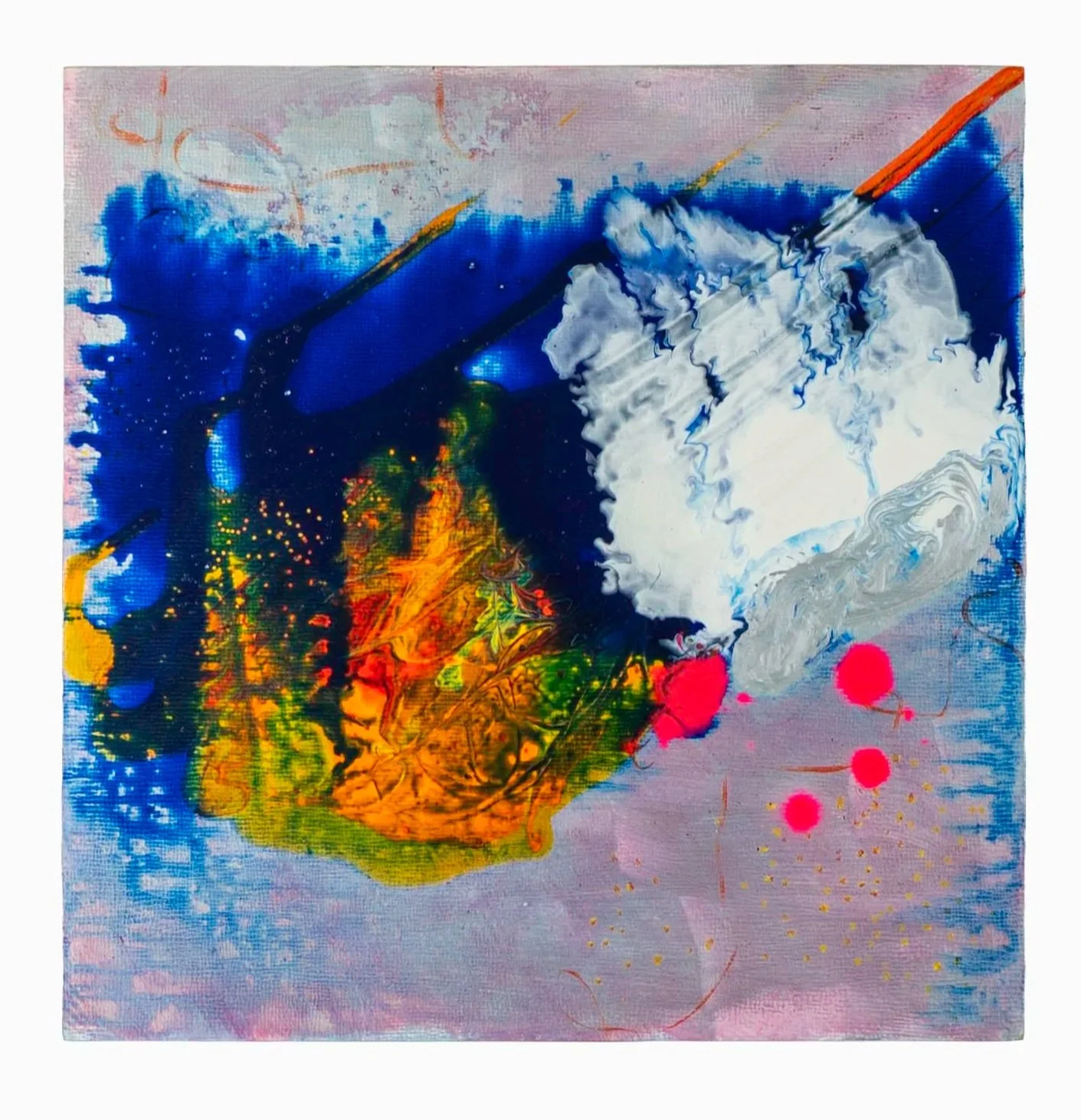
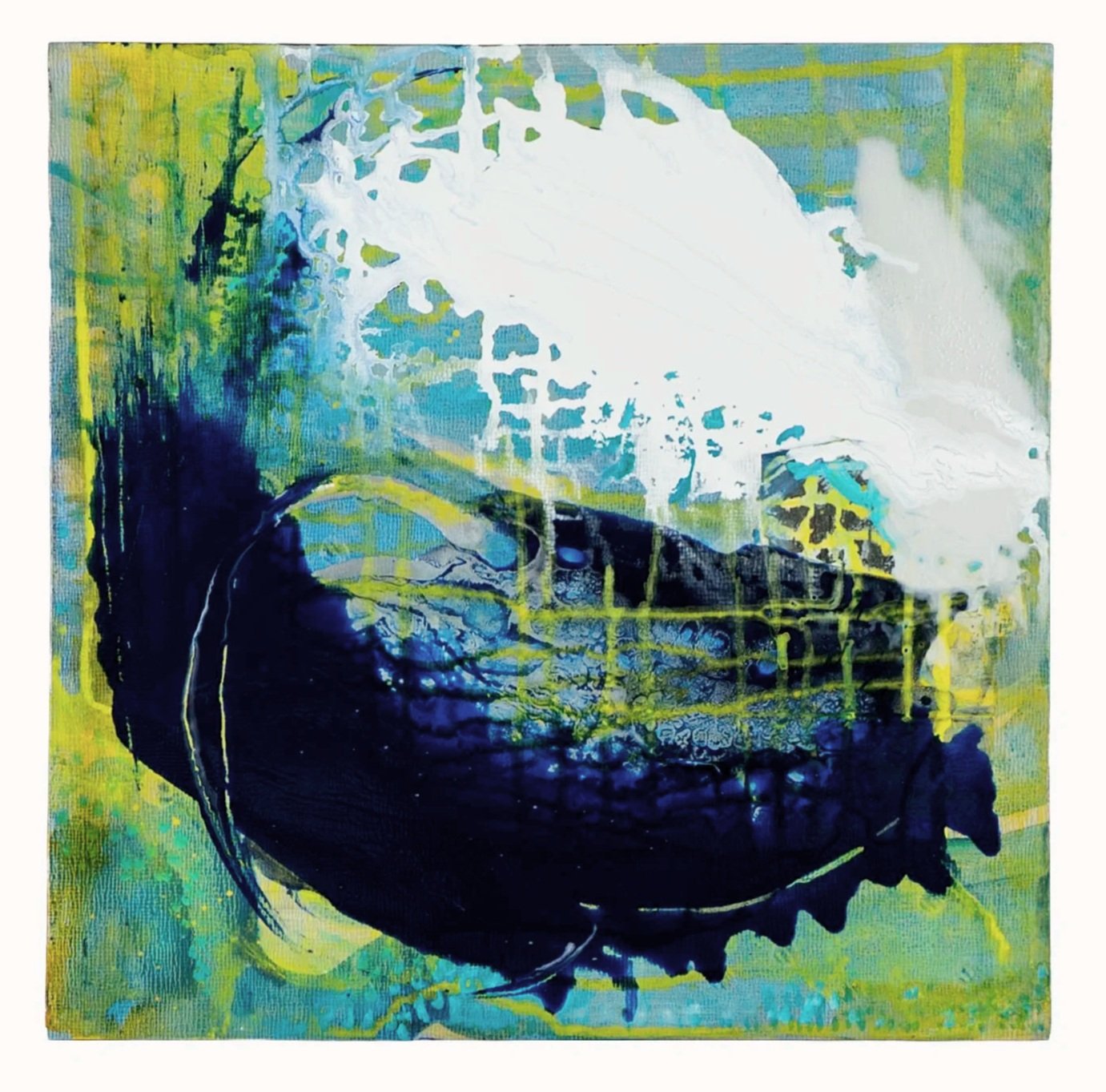
On Painting | The work lives in a suspended place, a threshold where something is becoming. They feel akin to hovering. For me they are portals, an escape from the scroll and feed and the feeling of being small inside something vast and indifferent.
Self-imposed rules matter to me: consistent beginnings, valuing process and experimentation, risk, and vulnerability. Each mark is a decision made, then questioned, then left alone, or destroyed and started over.
Making them is physical, a balance between energy and slowness, reconsidering and staying with a surface long past the point of comfort. The process is a collaboration with materials. The fluidity of poured paint and water calls for dynamic response and attention to color vibration and interaction— melting and merging, and surface texture.
The work holds both the moment and an afterwards. That tension is where the paintings become possible.
Additional In-Situ Works:
The individual pieces for the ceramic wall installation Stella Maris began with thinking about seashells — structures built through endurance and the slow action of natural forces. I hand-built these shapes so they evoke femininity, forms in nature, or garments, blurring the line between nature, body, and relic. The idea came through thinking about the Holy Mother Mary, Stella Maris — Star of the Sea — a figure who has oriented those who are lost.
Branches of Return came from walks where I gathered sticks along forest paths. I cut them into segments and rejoined them, reconstruction is an act of repair. They represent identities shaped by migration, by what was carried and what was lost. Each branch is hand-beaded. The crystal beads catch the light and bring back memories of my Italian grandfather, who made crystal-beaded fruit sculptures: the source memory for the piece. Months of labor and the repetitive act of hammering became its own kind of ritual. The work situates itself within broader histories of migration, colonialism, and Roman Catholic faith — and within my own place inside those histories.
(photography: Alberto Paniagua)